Electronic invoicing and furnished rentals in France from September 2026
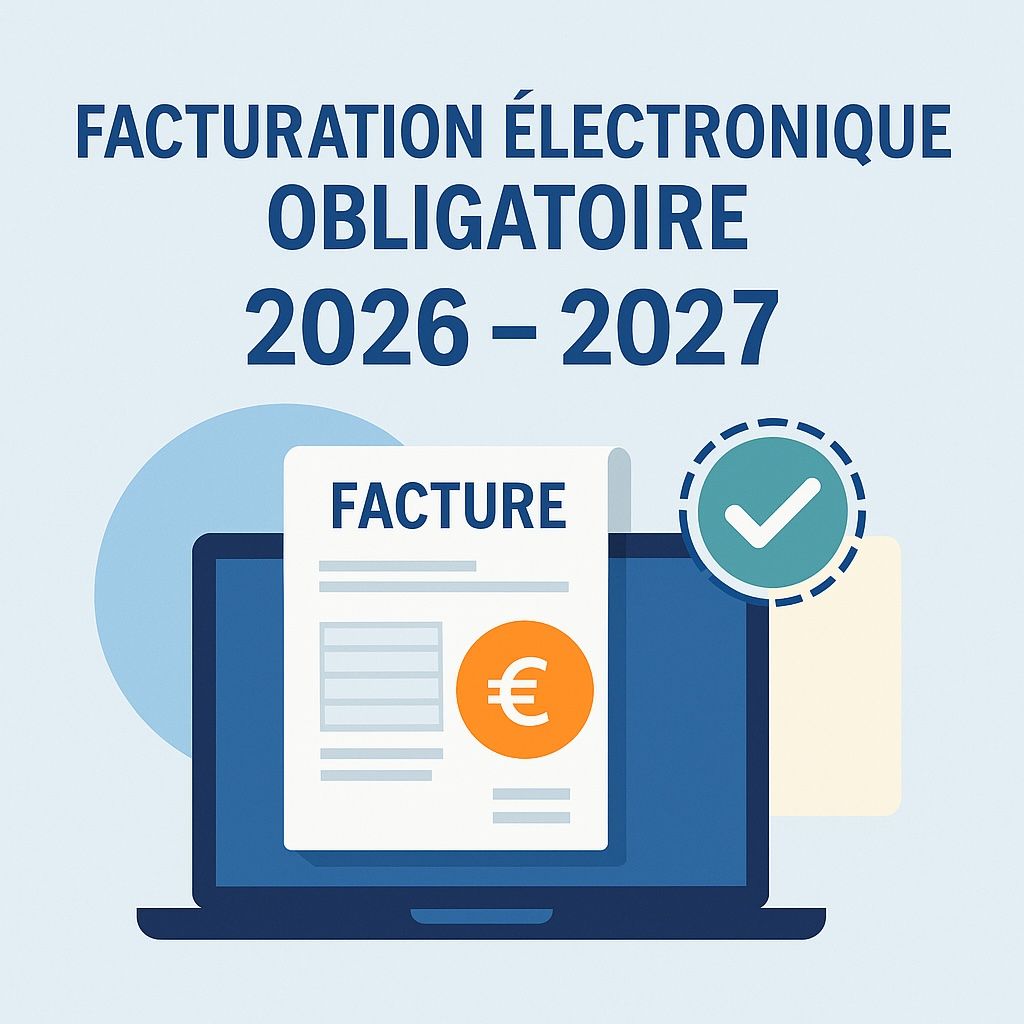
France’s electronic invoicing reform entered a new phase on 1 September 2026.
Businesses within scope must now be able to receive electronic invoices. Owners who let furnished homes have asked what that means for their own accounts.
Do landlords need an approved platform? Must they issue an electronic invoice for every rent payment? What about professional and non-professional furnished landlords (LMP and LMNP), or residential lets that are exempt from VAT?
The answer is more nuanced than some messages might suggest.
And this reform illustrates quite well a broader trend: regulation relating to property management is becoming increasingly technical, while the practical consequences for a landlord are often much more limited than they appear.
What changed on 1st September 2026
The French reform of electronic invoicing is based on two concepts that must not be confused:
- receiving electronic invoices;
- issuing them and, for certain transactions, reporting data to the tax authority.
Since 1 September 2026, businesses within scope have needed an approved platform through which they can receive electronic invoices.
Large companies and mid-cap companies (entreprises de taille intermédiaire, or ETI) also became subject to the new rules for issuing invoices on that date.
For small and medium-sized businesses and micro-enterprises within scope, the general deadline for issuing electronic invoices is 1 September 2027.
But this general timeline is insufficient to understand the specific situation of a landlord renting a furnished property.
Are landlords of furnished rentals affected?
Yes, within certain limits.
The French tax authority (DGFiP) has published guidance specifically for furnished landlords.
A landlord who lets furnished accommodation and has a SIREN business number is a taxable person for VAT purposes, even when the letting itself is exempt from VAT.
That landlord falls within the requirement to receive electronic invoices.
Over time, this may cover bills for energy, telecoms, equipment or services from suppliers that must issue electronic invoices.
But here an important confusion must be avoided.
Receiving electronic invoices and issuing them for rent are different obligations
A large portion of residential rental properties is exempt from VAT.
The DGFiP says these VAT-exempt residential transactions generally require neither an electronic invoice nor transaction data under the e-reporting regime.
In other words, a property owner with a SIREN may be affected by the reform because they must be able to receive certain electronic invoices, without necessarily having to convert their residential rental payments into electronic invoices.
This is an essential distinction.
The often-repeated claim that all non-professional furnished landlords must now issue electronic rent invoices is too broad.
The situation must be assessed according to the actual activity carried out, its VAT regime, and the nature of the operations conducted.
Certain activities subject to VAT or certain specific services may naturally fall under different rules.
Should action be taken urgently?
No, but it is also not advisable to ignore the issue altogether.
A property owner affected must particularly check how their future electronic invoices will be received. Their accountant, property management software, bank, or another provider may already offer a solution based on an approved platform.
Before subscribing to another service, check whether your accountant or an existing provider already offers a suitable solution.
The government has explicitly aimed to avoid a sudden implementation of the reform.
The Ministry of Economy announced that no penalties will be applied to businesses in 2026, this initial period being primarily intended to support the rollout of the new system.
For landlords, 1 September marked the start of a transition.
An increasingly technical regulation for property owners
Beyond electronic invoicing, this reform raises a broader question.
A landlord who currently rents out a furnished apartment must now deal with an ever-growing number of topics: taxation, DPE, rental regulations, condominium rules, administrative obligations, contracts, insurance, and the evolution of booking platforms…
Individually, each of these topics may seem relatively straightforward.
But their accumulation gradually makes property management more complex.
And above all, a new regulation must not simply be relayed: it must be interpreted to determine what it actually changes in property management.
Electronic invoicing provides a clear example of this.
The title may seem alarming. The reform is real. The obligation to receive invoices exists.
But this does not mean that a landlord renting out a furnished residential property must suddenly change their entire method of billing rent.
The role of a property management professional is also evolving
With 2BeApart, we believe our business does not stop at marketing an apartment, welcoming tenants, or organizing property maintenance.
It also involves monitoring developments that may impact the properties we are entrusted with and their owners.
Obviously, this does not mean replacing a tax accountant, a tax advisor, or a lawyer when their expertise is required.
We identify changes, consider what they mean for a particular apartment and let the owner know when there is something to do.
In an increasingly complex regulatory environment, the ability to distinguish the essential from the incidental has become an integral part of professional property management.
To remember: from September 1st, 2026, a furnished property landlord with a SIREN number may be subject to the obligation to receive electronic invoices. This does not mean that rent from a residential property exempt from VAT must automatically be invoiced electronically. Each landlord’s situation must be assessed according to their business activity and tax regime.